


|
Navigation
Search
|
Apple software has been bad for years, but now there’s finally hope for the future
Thursday December 4, 2025. 08:35 PM , from Mac 911
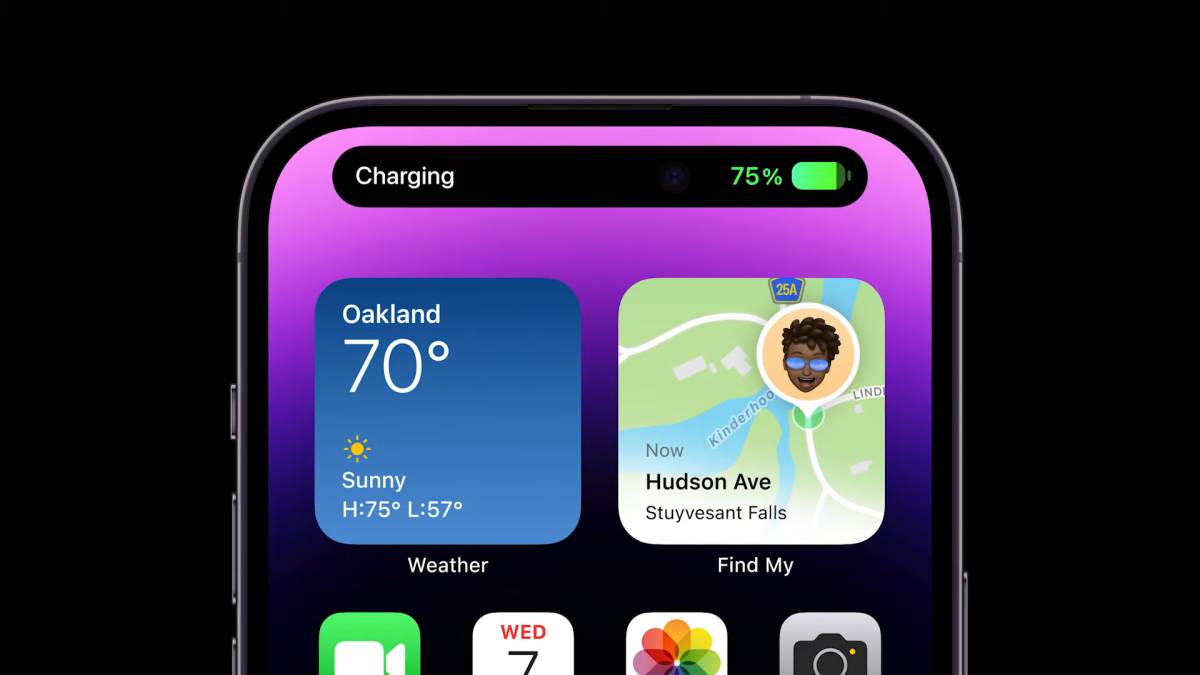
For a few years now, something has felt off with Apple’s software design. There’s been too much emphasis on showy effects and eye-catching animations, and not enough on creating intuitive experiences that actually work for the user. But now that Apple’s design chief Alan Dye is leaving the company for new pastures at Meta, I’m hoping for a radical improvement to iPhone and Mac software–one that’s long overdue. I’m not pinning all of Apple’s software woes on Dye. But as the company’s Vice President of Human Interface Design, he set the tone for Apple’s entire software ecosystem, and ultimately, the design decisions flow back to him. With him on the way out, a lot of users (myself included) will be hoping for a return to the design glory days of Apple’s past. Here’s what I think went wrong, and what I hope we could see change. Apple lost its way People like to complain that Apple’s design has been going downhill, so much so that “what would Steve Jobs do?” has become a meme of sorts. But for long-time Apple fans, it really does feel that something has been amiss at the company in terms of design. That doesn’t mean that everything is wrong. Apple still pumps out incredible designs that are instantly and shamelessly copied by its rivals, the true sign that you’re a class-leading act. The indication of a good design is one that instantly feels familiar, even if you’ve never used it before, and Apple is still capable of doing that. I vividly recall feeling that way about the iPhone X’s swipe-based gesture system, which Dye helped to implement. Dynamic Island doesn’t feel like the revelation it was touted to be.Apple Yet for every design hit, it feels like Apple has been putting out just as many misses. Think about the Dynamic Island. Sure, it looks amazing, and its animations are beautiful, but can you say that it genuinely elevates your iPhone experience? I’m not sure I can. While I like it, I can’t help feeling that that’s simply because it’s more functional than the dumb notch that came before it. The clear app icons in iOS 26 are another worrying indicator. Icons are meant to instantly tell you what they represent, even from a split-second look or a glance from the corner of your eye. When every icon looks identical and completely transparent, you lose that vital functionality, and the entire purpose of an icon is undermined. That is a move done purely because someone at Apple thought it looked cool, and the user experience suffers as a result. Implementing it was an excuse to make something visually stunning without there being a pressing need to do so. But by far the worst example of this “let’s do it because we can” approach, in my mind, is the new animation that plays when you use a Liquid Glass toggle in iOS 26. A toggle’s purpose is to enable or disable something else–in other words, it’s ephemeral, something you use quickly and then move on. That’s its design purpose. In iOS 26, the toggles are anything but ephemeral. Tap a toggle, and it jumps up as it moves, slowing down the animation and distracting your eye. It transforms the toggle from a fleeting tool that is entirely functional to an off-putting centerpiece. There is no purpose to that change other than to make it look pretty, and in doing so, Apple has created a sluggish, more annoying experience. That is not “design is how it works,” that’s “design is how it looks.” It may seem like a small thing, but sweating the small stuff is what design is all about. At the end of the day, getting that right was Dye’s responsibility. Getting it wrong is symbolic of his legacy. Only Apple could make a toggle switch more complicated than it should be.Foundry Jobs versus Dye That cuts to the heart of the matter. For years, Apple’s design team has been led by someone who, it seems, does not understand the central philosophy that underpinned Apple’s greatest design triumphs. How else can we explain the confusing design choices, frustrating changes, and new features that seem to be at least partly motivated by superficial reasoning? To be clear, I don’t think there’s anything wrong with making things that are pretty. Recall Steve Jobs’ quote on Mac OS X’s Aqua interface: “One of the design goals was when you saw it, you wanted to lick it.” But also recall another Steve Jobs quote about design: “People think it’s this veneer, that the designers are handed this box and told, ‘Make it look good!’ That’s not what we think design is. It’s not just what it looks like and feels like. Design is how it works.” In the view that Jobs was criticizing, good design meant making something that was all looks and glamour but no heart and soul. That seems to be the way Apple’s design has been going under Dye. A real warning sign was the Liquid Glass introduction video that Dye presented at WWDC in June 2025. The segment was heavy on how Liquid Glass would supposedly make you feel; Dye talked about it sparking a sense of joy and delight on multiple occasions. But he was very light on why exactly the new design system was a functional improvement on what came before. The impression I got (I’m sure I’m not alone) was that this was being done because Apple was bored with how iOS looked and wanted a visual overhaul. The company seemed less driven by the need to improve the user experience and more by an internal desire to create a new look for the sake of it. For veteran Apple watchers, it was concerning. Liquid Glass lacks any practical value and strays from Apple’s design philosophy.Apple Liquid Glass has continued to be incredibly divisive months after its debut. Text is illegible when glass panels overlap each other or when writing is superimposed on top of an image. Animations feel excessive and overwrought. Controls are confusing and obscured. All this seems to stem from the focus being put squarely on how something looks and feels. “Design is how it works” is not just some empty adage. Liquid Glass is an example of what happens when Apple forgets what it means. Turning the ship around Some of this can feel a little inside baseball. But I think we should care about the ideas that go into the way our devices work because most of us use them every day. If we are given products that look visually stunning but are frustrating to use, we’re going to go elsewhere for something better. Alan Dye was an odd choice to head up Apple’s human interface team because he had no background in software design. His past work experience includes fashion house Kate Spade and ad agency Ogilvy, hardly the kind of resumé that indicates someone obsessed over user interface and experience. Apple has already given users the option to tone down Liquid Glass in iOS 18.1.Foundry His successor, Stephen Lemay, seems to be cut from a very different cloth. An old hand at Apple, he’s seen as someone who understands both Apple’s culture and good software design principles far more than Dye ever did. Many designers inside Apple are happy at Lemay’s appointment, “if not downright giddy,” according to longtime Apple pundit John Gruber. He’s “deeply respected talent-wise,” and strong praise has been given to his “attention to detail and craftsmanship,” the exact things that have been neglected under Dye. I hope that means we see a return to the ideas that made Apple software great in years gone by. A stronger emphasis on user experience, an obsession over small details, and a renewed passion for interfaces and controls. An appreciation of the foundational ideas that helped Apple’s products reach the pinnacle of software design. The change probably won’t happen quickly. Apple is a big beast that turns slowly, and it put too much effort into Liquid Glass to quickly abandon it. But with a designer at the helm who is rooted in solid principles–it seems that that’s the view of Lemay internally at Apple–there’s a chance Apple’s software can get back on track. If that results in a swift death for the accursed Liquid Glass toggle, I’m all for it.
https://www.macworld.com/article/3001046/apple-software-design-alan-dye-stephen-lemay.html
Related News
|

46 sources
Current Date
Dec, Thu 4 - 21:39 CET
|
 Read more at Mac 911


